
Do I Need to Insulate the Crawlspace?
Crawlspaces are easy to ignore because they’re out of sight, but they play a much bigger role in home comfort than most people realize. If you’ve ever dealt with cold floors, drafts near baseboards or a musty smell that seems to come and go, there’s a good chance the crawlspace is part of the problem. That’s why crawlspace insulation often comes up during comfort and energy-efficiency conversations in Saskatchewan homes.
What Exactly Is a Crawlspace?
A crawlspace is the shallow space between the ground and the main floor of a house. It’s not tall enough to stand in, but it provides access to plumbing, wiring and sometimes ductwork. In Saskatchewan, crawlspaces are most commonly found under older homes, additions, enclosed porches or sections of houses that weren’t built over a full basement.
Many crawlspaces have exposed soil or a thin concrete slab, low foundation walls and wood framing above. That combination makes them vulnerable to both cold air and moisture, especially during winter.
Where Crawlspaces Are Located in SK Homes
While most Saskatchewan homes are built on full basements, crawlspaces still show up more often than people expect. They’re common under additions where digging a full basement wasn’t practical, under attached garages that connect to living space, or in older rural homes built before modern foundation standards.
Because these spaces are often an afterthought in construction, insulation and air sealing details are frequently missing or poorly done.
Do Crawlspaces Really Need Insulation?
If your crawlspace is connected to the rest of the house, meaning air can move between the crawlspace and living areas, insulating it usually makes a noticeable difference. Without crawlspace insulation, cold air from below can chill the floor above, making rooms harder to heat and less comfortable to use.
There’s also the moisture factor. Crawlspaces tend to be cooler than the rest of the home. When warm indoor air leaks down into a cold crawlspace, condensation can form on framing and insulation. Over time, that moisture can lead to odours, mould growth and even wood damage.
Even crawlspaces that are vented to the outside can cause issues. Vents don’t always behave the way people expect, especially during Saskatchewan winters, when cold air simply pours in and lowers temperatures further.
Why Traditional Insulation Often Fails in Crawlspaces
Fibreglass batts are commonly used in crawlspaces, usually installed between floor joists. The problem is that crawlspaces are damp, uneven and difficult to access. Fibreglass can sag, fall out of place or absorb moisture from the air. Once it’s damp, it loses much of its insulating value and can start to smell musty.
Another issue is air leakage. Crawlspaces have lots of gaps around rim joists, plumbing and wiring. Even well-installed batts don’t seal those gaps, so cold air can still move freely.
Why Spray Foam Makes Sense Here
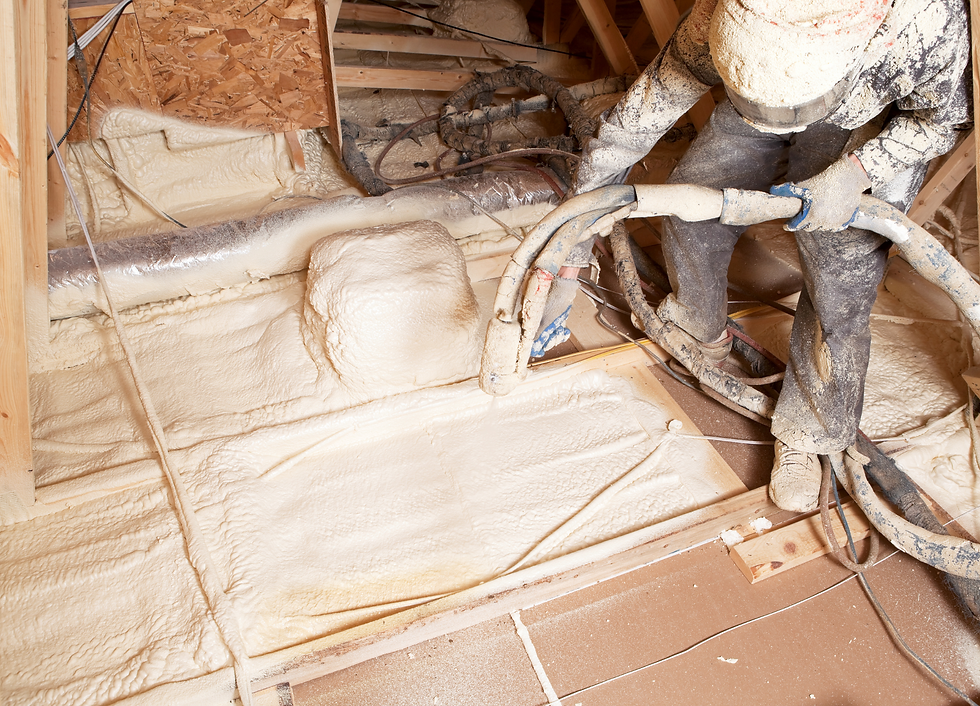
Spray foam insulation works well in crawlspaces because it solves several problems at once. It sticks directly to surfaces, seals air leaks and resists moisture. This makes it especially effective at rim joists and foundation walls, which are common sources of drafts.
Because spray foam doesn’t sag or shift, it keeps performing year after year. It also reduces the amount of cold air reaching the floor above, which helps keep your feet warm throughout the winter.
Moisture Reduces the Durability & Lifespan of Your Building
Insulating a crawlspace without addressing moisture is never a good idea. Ground moisture, air movement and insulation all interact. That’s why a proper assessment matters. Sometimes insulation removal is needed first if old materials are wet, mouldy or contaminated.
If you’re unsure what condition your crawlspace is in, we can take a look and explain your options clearly. Is it time to replace or install new insulation? You can contact us directly to book an assessment and quote.


Comments