
Will Spray Foam Insulation Stop Condensation?
Condensation is one of the most common and damaging issues in agricultural and metal buildings across Saskatchewan. Whether it is a barn, shop or storage structure, moisture forming on walls and ceilings can lead to dripping, corrosion, mould and long-term structural problems.
Can spray foam stop the condensation problems? Yes, but only with very precise application.
Why Condensation Happens in Buildings

Condensation forms when warm, moisture-filled air comes into contact with a cold surface. This is especially common in Saskatchewan during colder months, when the inside of a building is warmer than the outside.
In agricultural buildings, moisture levels are often higher due to livestock, equipment and daily operations. Metal buildings are particularly prone to condensation because metal surfaces cool quickly and provide an ideal surface for water to form.
Without proper insulation, this leads to water droplets forming on ceilings and walls, which can drip onto equipment, feed or flooring.
How Spray Foam Prevents Condensation
Spray foam works by addressing the two main causes of condensation: temperature difference and air movement.
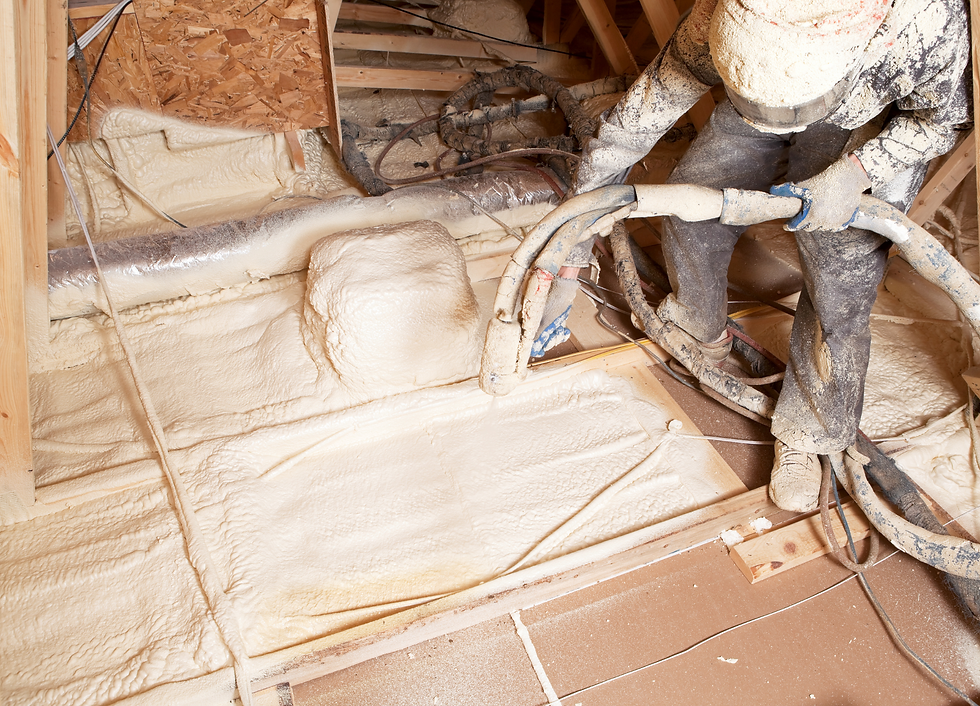
When applied to a surface, spray foam creates a continuous insulation layer that keeps the interior surface warmer. By reducing the temperature difference between the air and the surface, it becomes much less likely for moisture to condense.
At the same time, spray foam acts as an air barrier. It seals gaps and cracks where warm, humid air would normally move through the building and reach cold surfaces. By limiting this airflow, it reduces the amount of moisture that can come into contact with those surfaces.
This combination is what makes spray foam effective at stopping condensation, not just reducing it.
Why Traditional Insulation Often Fails
Materials like fibreglass or batt insulation may provide some thermal resistance, but they do not stop air movement. Warm air can still pass through these materials and reach cold surfaces behind them.
In agricultural buildings, this often leads to hidden condensation inside walls or ceilings. Over time, this can cause mould, rot or corrosion without being immediately visible. Spray foam avoids this issue by bonding directly to the surface and eliminating those air pathways.
Where Condensation Control Matters Most
Condensation is a concern in nearly all agricultural buildings, but it is especially important in certain applications. Livestock barns require moisture control to maintain a healthy environment and prevent damage to the structure.
Metal shops and equipment storage buildings benefit from condensation control because it protects machinery and tools from rust and deterioration. Even in unheated buildings, reducing moisture can extend the life of the structure and its contents. This is why spray foam is commonly used for ag insulation in both heated and unheated buildings.
Does Spray Foam Completely Eliminate Moisture?
While spray foam is highly effective, it is important to understand that it works as part of a larger system. Proper ventilation is still necessary, especially in buildings with high humidity levels. Spray foam reduces the conditions that cause condensation, but airflow and moisture management still need to be considered in the overall building design. When both insulation and ventilation are properly planned, condensation issues can be significantly reduced or eliminated.
A Long-Term Solution for Moisture Control
Condensation is not just an inconvenience; it is a long-term risk to your building and equipment. Addressing it properly from the start can prevent costly repairs and maintenance later.
At South Forty Spray Foam, we install systems designed to control both temperature and moisture in Saskatchewan conditions. Whether you are working with barns, shops or storage buildings, we help ensure your insulation performs as intended.


Comments